Two friends disagree about a package, a logo, a thumbnail. Someone jokes Mandela Effect. The room tightens. What if neither of you is crazy? And what if, for a beat, you leave room that maybe neither is even wrong — before you decide whose memory failed?
I finally caught this happening in realtime using different devices signed in to different accounts looking at the same content. Three different thumbnails.
Shared false memories are real
The Visual Mandela Effect is the familiar name for shared false visual memory — when many people remember the same wrong detail on a popular image.
Research shows consistent, specific false memories for certain icons, even when most of what people have actually seen is the usual (official) version.1
Memory reconstructs. Groups can converge on the same miss. That fact matters. It keeps this piece from pretending every disagreement proves a secret variant.
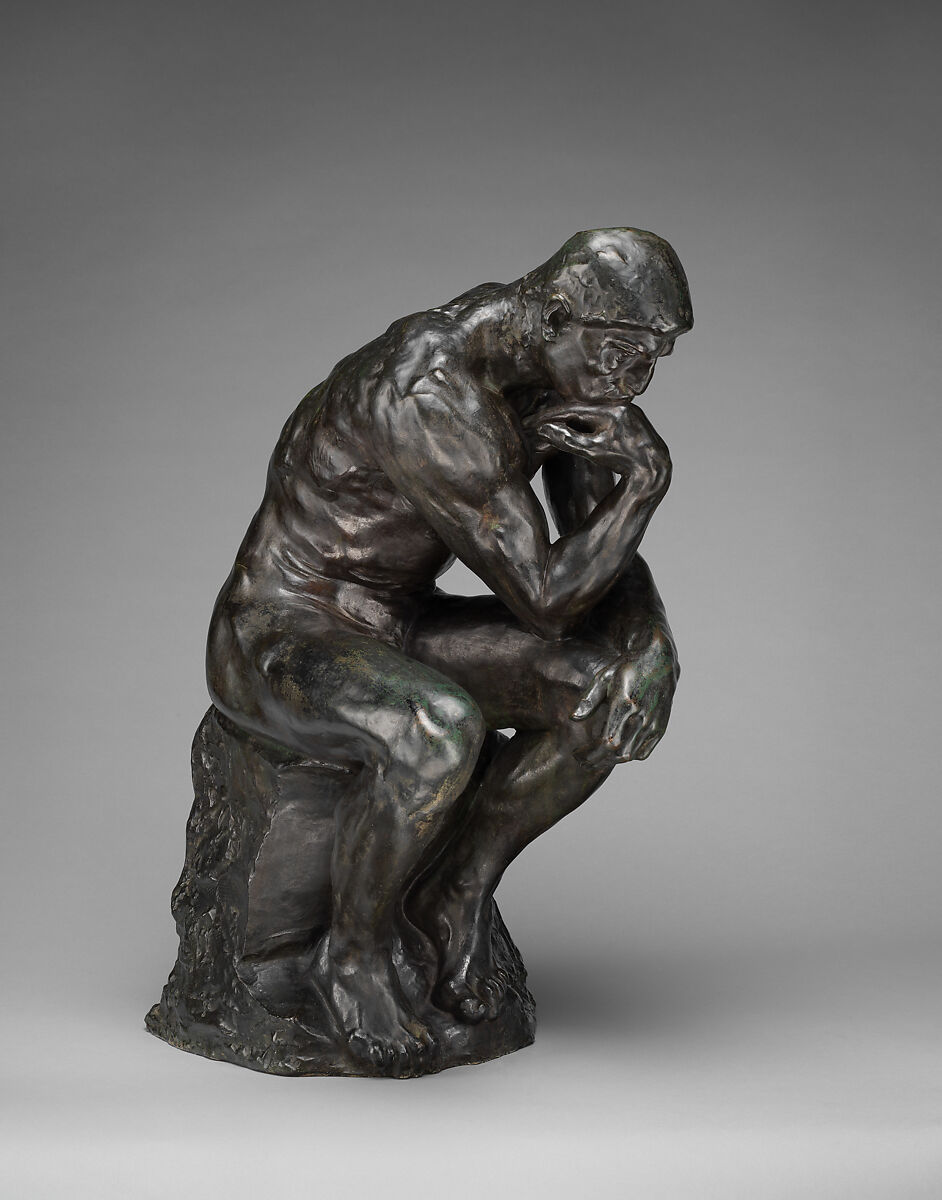
Where does the hand rest? In this photograph of Rodin’s The Thinker, the chin rests on the right hand. Compare that with the pose you pictured. This is the Met’s bronze cast from about 1910, not an altered comparison image. The Metropolitan Museum of Art, object 11.173.9; image CC0 / public domain.
The world is no longer single-version
Meanwhile, the digital world often hands people different faces of “the same” thing.
Creators can run A/B tests — show different viewers different titles or thumbnails for the same video.2
Streaming services personalize artwork so two people can remember incompatible covers for the same title — and both be accurate about what they saw.3
That aside is a naming aid, not a claim that Mandela-type memories are usually hidden variants.
Physical products vary too
Regional formulations, short runs, promo packs, printing quirks, temporary swaps. During the COVID public-health emergency, FDA guidance allowed certain temporary, minor formulation changes without an immediate matching label update.4 That flexibility applied when supply disruption made reprinting impractical — with limits and transparency asks.
Observation only: same brand, same-looking package, possible brief content difference. Someone who swears it tasted different for a few months might occasionally be describing a real shortage-era swap — not a food-safety scare.
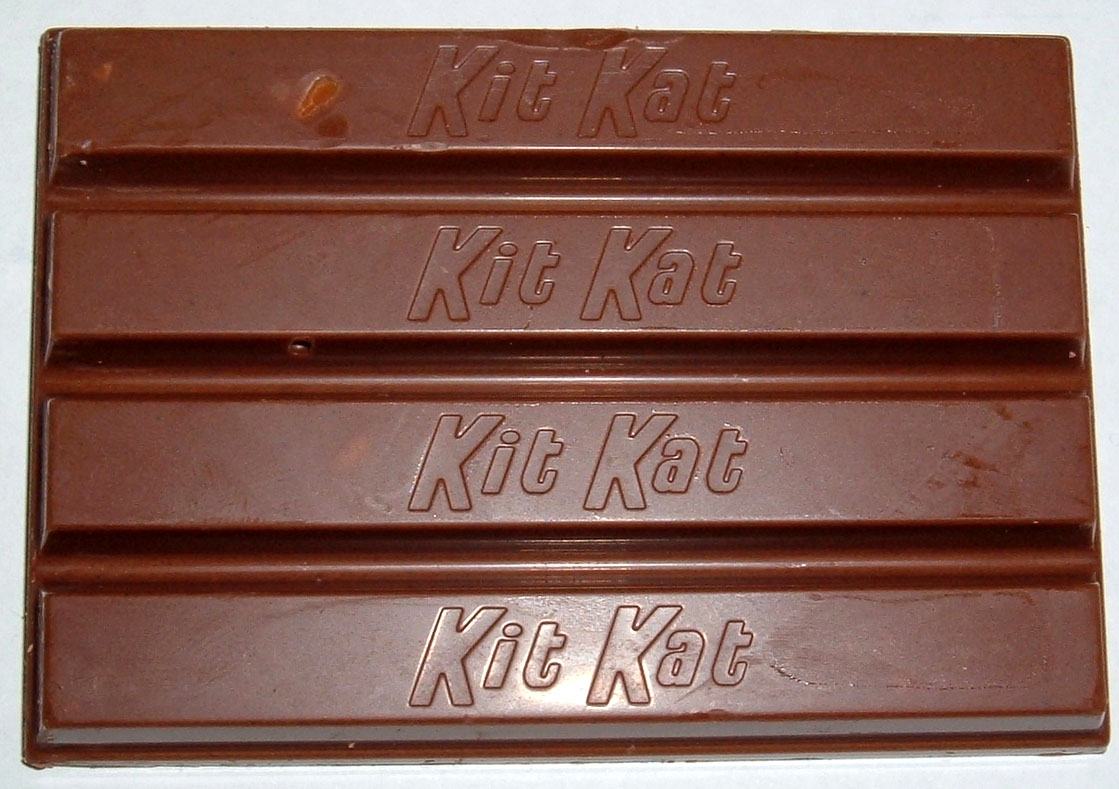
Hyphen or no hyphen? This actual Kit Kat bar, photographed by Scott Ehardt in February 2005 after purchase in Atlanta, has no hyphen in the molded lettering. It documents this bar, not every wrapper or edition ever sold. Original photograph and public-domain dedication.

Archives flatten messy reality
Serious problems leave paper trails. Harmless variants often don’t. Today’s clean database is not every version people met. Absence from the surviving record is not automatic proof it never existed.
Give each other a break
Not: trust every strange memory. Yes: before deciding somebody remembers it wrong, leave room that they experienced something different.
Memory fails. Sources cross. Companies experiment. Factories make odd batches. Shortages force swaps. Sometimes two reasonable people argue about “the same thing” when the world handed them two things.
Useful move: from Which of us is right? to Do we know we were shown the same thing?
A Caution to Gamblers
What you are sure you saw is no longer a sure bet.
Footnotes
-
Deepasri Prasad & Wilma A. Bainbridge, “The Visual Mandela Effect…,” Psychological Science (2022):
- https://doi.org/10.1177/09567976221108944
- Plain companion: https://news.uchicago.edu/story/visual-mandela-effect-false-memories-psychology-neuroscience-pikachu-mr-monopoly-waldo
-
YouTube Help — A/B test titles & thumbnails: https://support.google.com/youtube/answer/16391400?hl=en ↩
-
Ashok Chandrashekar et al., “Artwork Personalization at Netflix,” Netflix Tech Blog, 2017-12-07: https://netflixtechblog.com/artwork-personalization-c589f074ad76 ↩
-
FDA, Temporary Policy Regarding Certain Food Labeling Requirements During the COVID-19 Public Health Emergency (May 2020), Docket FDA-2020-D-1139: https://www.fda.gov/media/138315/download ↩