Our approach
Understand the technology. Keep the judgment.
What guides us—and what that means for you.
Understand the technology
AI is knowable.
Modern AI learns patterns from large amounts of data, then uses those patterns to produce an answer. It can do remarkable work. It can also be wrong. Learning its strengths and weaknesses is the first step to using it well.
Once you know what it does, AI stops being magic and becomes a tool you can use with your eyes open.
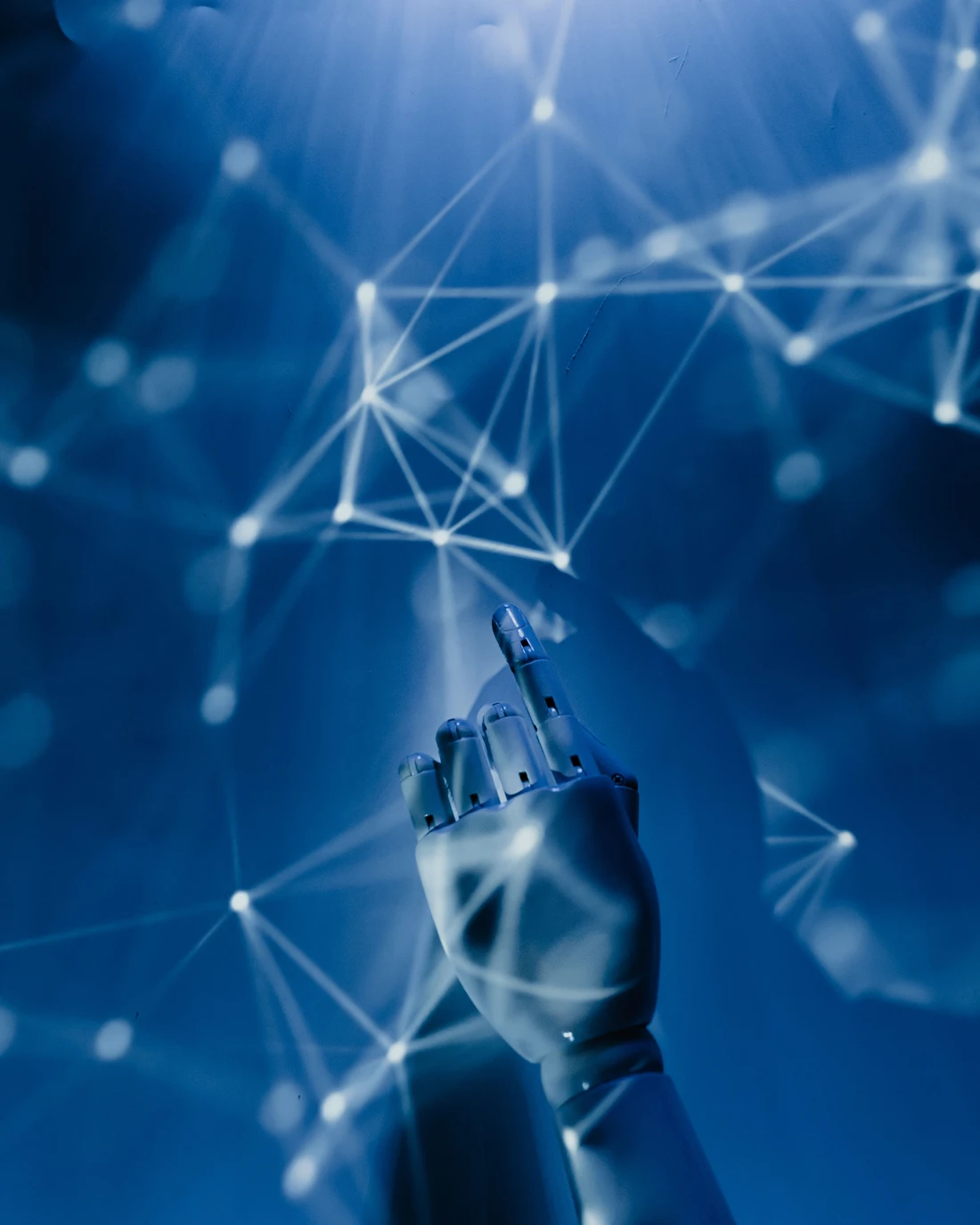
Keep the judgment
You still decide what matters.
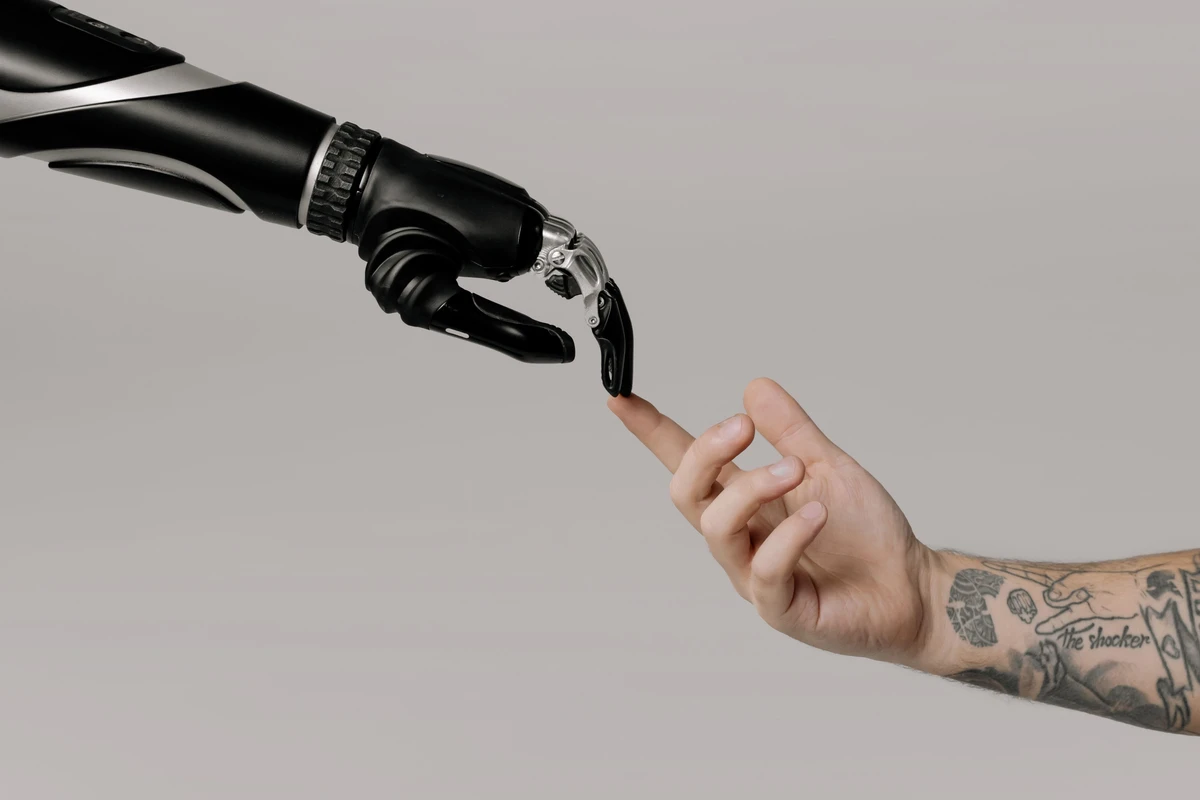
AI can gather facts, spot patterns, and make suggestions. It doesn’t know what’s best for you. The human story — your experience and expertise — gives the facts their shape.
Your judgment is what turns the raw output into work you can use.
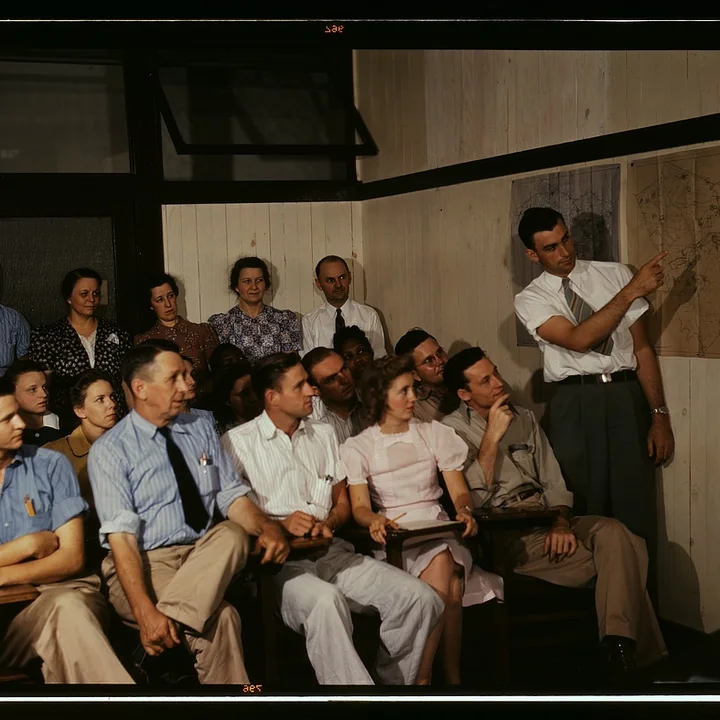
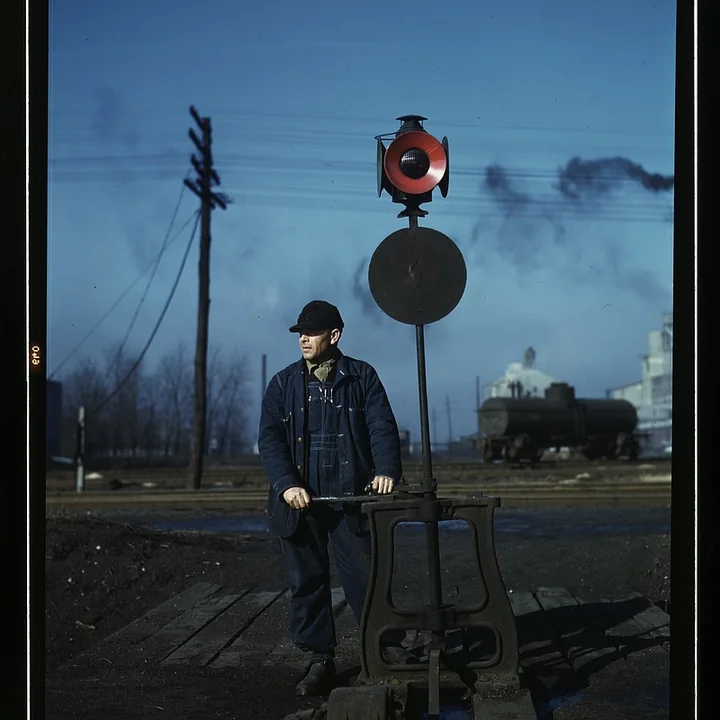
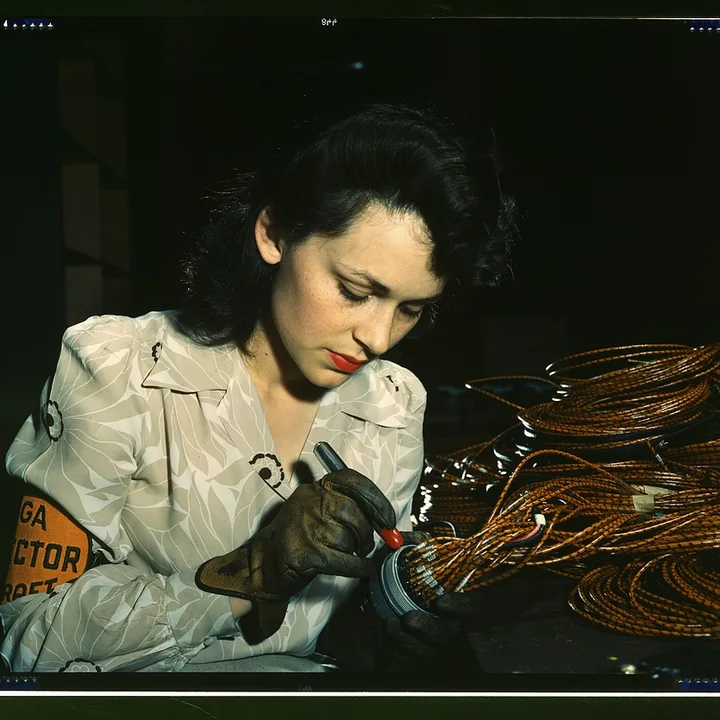

Public domain photographs · Library of Congress FSA–OWI Collection


What practical help looks like
HUMAN
What are AI's strengths and weaknesses?
AI
AI can help do ground work, watch for potential failure modes, and review projects. But AI doesn’t know:
- How to operate responsibly.
- When the work is correct.
- Your lived experience and expertise in the field.
- How to adjust our workflow when the model changes or prices go up.
HUMAN
Sounds hard. How can I train you to do those things?
AI
You can’t! Ultimately, you have to make these decisions. There is no replacement for sound judgment.
People we learn from
People and publications that prompt us to think critically about responsible and ethical AI use.
Meet the people and publications we learn from